
Blow Flies
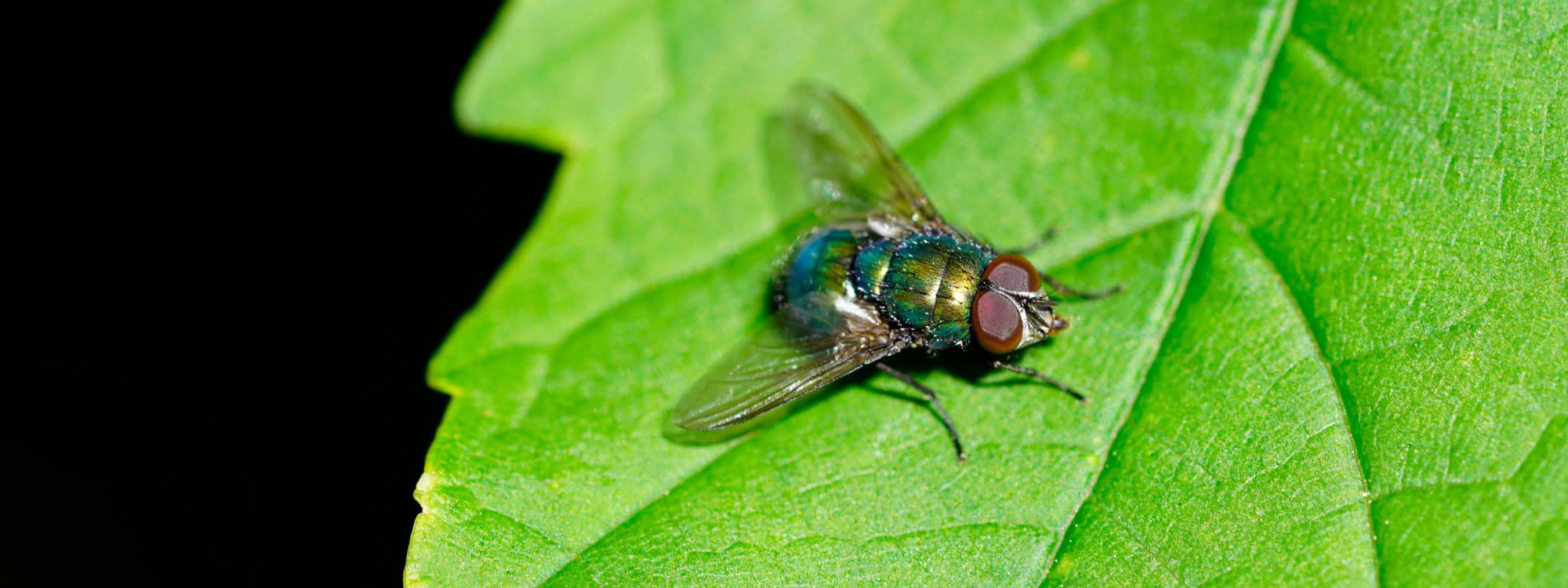
Identification:
Blow flies, commonly found in Muskoka, are easily identifiable by their metallic blue or green coloration. They typically measure between 8 to 14 mm in length and have large, distinctive, shiny eyes. These flies are often seen hovering around decaying organic matter, as they are attracted to foul odors, particularly those from rotting meat or garbage. Blow flies play an important ecological role by aiding in the decomposition process. Despite their beneficial role in nature, they are often unwelcome guests due to their association with unsanitary conditions and their tendency to invade homes and outdoor gatherings.
Habitat:
In Muskoka, blow flies thrive in areas where decaying organic material is present, including garbage dumps, compost piles, animal carcasses, and spoiled food. They are commonly found around outdoor areas like gardens and farmyards, especially during the warmer months. Blow flies can also infest homes, particularly if food waste or garbage is left uncovered or if there are opportunities for them to lay eggs in trash bins or animal waste. They are highly attracted to areas where decomposition is occurring, and their larvae (maggots) are found in rotting materials, where they feed and grow.
Diet:
Blow flies are scavengers that primarily feed on decaying organic matter, including carrion and rotting food. They are known for their role in breaking down dead animal tissue, making them essential to the natural decomposition process. Blow flies feed by using their specialized mouthparts to liquefy food and other organic matter, which they then consume. They are often seen around garbage cans, compost bins, or other areas where food has spoiled. Their larvae, or maggots, are similarly attracted to decaying matter, making blow flies important contributors to the recycling of nutrients in ecosystems.
Behavior:
Blow flies are typically attracted to strong odors, particularly those associated with decay. Females are highly motivated to lay their eggs in decaying tissue, where the larvae can thrive. These flies are known for their rapid lifecycle, with adults emerging from pupae and quickly seeking out new sources of food and breeding sites. Blow flies are most active during the warmer months, and their presence can become more noticeable in late spring and summer. While blow flies do not bite or sting, their association with unsanitary conditions and potential for spreading disease makes them a concern in certain environments, particularly around food waste or carcasses.
Prevention:
To prevent blow fly infestations, it is important to eliminate food waste and organic materials that may attract them. Regularly sealing garbage bins, compost containers, and ensuring that pet waste or animal carcasses are properly disposed of can help reduce blow fly activity. Keeping food areas clean, especially around outdoor gatherings, is essential in deterring these flies from congregating. Bug Free Muskoka’s General Pest Control Service offers solutions to reduce blow fly populations by addressing potential breeding sites around your property, such as trash areas and outdoor compost piles.
Control:
Managing blow fly infestations involves eliminating potential breeding grounds and using preventive measures, such as traps or insecticides, to reduce their numbers. Professional pest control services can help assess areas where blow flies are likely to breed and provide targeted treatments to control their populations. Regular inspections of waste disposal areas and taking steps to reduce decaying organic material around the home can help minimize blow fly encounters. If blow flies become a significant issue, contacting Woodland Pest Solutions ensures a safe and effective solution to address the problem.
For a proactive solution to blow fly and other pest issues, Woodland Pest Solutions provides a thorough pest control service. This service involves applying a multi-layered treatment around the exterior of your home, targeting common breeding areas and entry points. With these preventive measures in place, homeowners can enjoy a cleaner, more comfortable environment, free from the nuisance and health risks associated with blow flies.