
American Dog Ticks
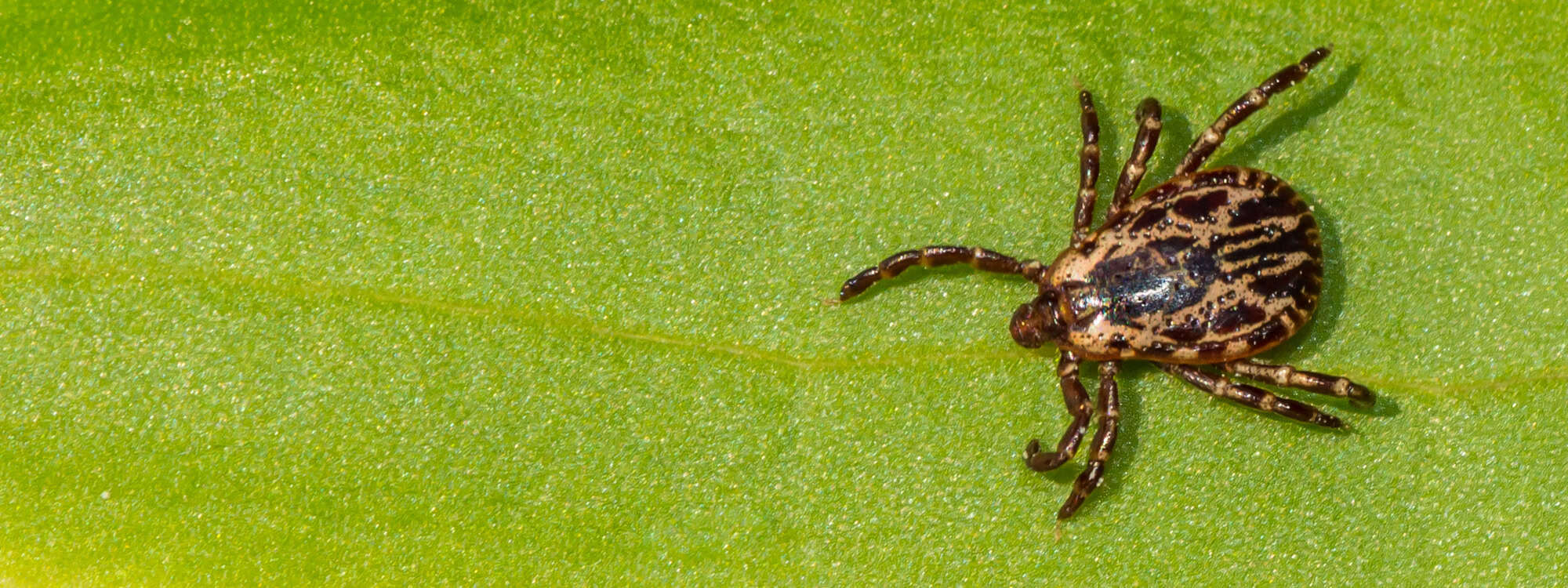
Identification: American dog ticks, are medium-sized arachnids commonly found in various regions, including parts of North America. Unfed, they range from 3 to 5 mm in length. They are characterized by their brownish bodies with distinct white or silver markings on the back. Their oval, flattened shape becomes more rounded and engorged after feeding. The prominent markings and relatively larger size compared to other ticks make them somewhat easier to spot, though they still can be elusive until they are fully engorged.
Habitat: American dog ticks prefer grassy and bushy areas, often found in open fields, meadows, and along trails. They thrive in environments where they can easily climb onto passing hosts, such as tall grasses and low shrubs. Their habitat is typically in more open, sunny areas compared to other ticks, making them more prevalent in grassy expanses and areas with minimal canopy cover. During the warmer months, particularly spring and summer, they are most active and can be encountered in outdoor areas where they wait to latch onto a host.
Diet: As obligate blood feeders, American dog ticks require blood meals at each life stage—larva, nymph, and adult. They feed on a variety of hosts including mammals, birds, and occasionally reptiles. The feeding process can last several days, during which the tick attaches to the host and consumes blood. This blood meal is critical for their development, enabling them to molt into the next stage and, for adults, to reproduce. Their feeding behavior also increases the risk of transmitting diseases to their hosts.
Behavior: American dog ticks engage in a behavior called “questing,” where they climb onto vegetation and extend their legs to grasp onto passing hosts. This behavior is most commonly observed during the warmer months when they are most active. They often remain in waiting positions on vegetation to increase their chances of encountering a host. While questing, their extended legs are adapted to latch onto hosts efficiently. Like other ticks, American dog ticks can transmit pathogens such as Rocky Mountain spotted fever and tularemia, posing health risks to both humans and animals.
Prevention: To reduce encounters with American dog ticks, several preventive measures can be employed. Regular tick checks after outdoor activities, especially in grassy or bushy areas, are crucial. Wearing light-colored clothing and applying tick repellents with DEET or picaridin can help deter ticks. Keeping your yard well-maintained by mowing the lawn frequently and removing excess vegetation can reduce tick habitats. Additionally, treating pets with veterinarian-approved tick prevention products can protect them from tick-borne diseases. Bug Free Muskoka’s Tick & Flea Control Service offers specialized treatments to minimize tick presence around your home and reduce the risk of ticks in your outdoor space.
Control: Effective control of American dog ticks involves a combination of personal, environmental, and treatment strategies. If ticks are discovered on pets or humans, they should be removed promptly using fine-tipped tweezers. Environmental control includes treating areas with acaricides, particularly where ticks are most likely to be found. Regularly inspecting and maintaining your yard, along with using tick-prevention products on pets, is essential for long-term control. By integrating these strategies, you can significantly minimize tick encounters and safeguard your health and the health of your family.
For concerns about American dog ticks, Bug Free Muskoka provides targeted solutions through their Tick & Flea Service. This comprehensive treatment plan focuses on creating a protective barrier around your property, addressing key tick habitats, and reducing the risk of infestations. By implementing preventive and control measures, Bug Free Muskoka helps ensure a safer outdoor environment, offering peace of mind during the tick season.